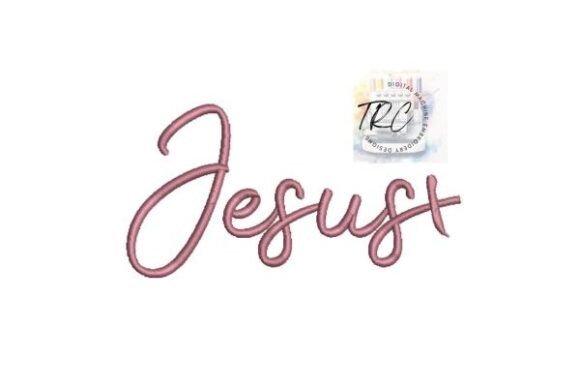
Jesus Embroidery Design
A Craft Fair Designer’s Real-World Review
As an embroidery designer who’s prepped over 200 craft fair booths—from downtown pop-ups to rural church bazaars—I approach every new machine embroidery design like a product scout: Does it spark conversation? Does it translate from screen to stitch without frustration? Does it feel authentically handmade—not mass-produced, not overly trendy, but quietly meaningful? That’s exactly how I evaluated the Jesus Embroidery Design.
First Impression: Reverent, Clean, and Booth-Ready
At first glance, Jesus Embroidery Design reads as elegant yet approachable—not ornate or baroque, not cartoonish or minimalist. It lands somewhere between farmhouse faith and quiet reverence: soft curves, balanced proportions, and intentional negative space. That’s gold for craft fairs. Customers don’t pause for theology lectures—they pause for beauty with heart. This design delivers that in under three seconds. It feels premium without shouting, spiritual without stiffness.
Where It Shines: Product-by-Product Breakdown
In my booth prep, I test designs across six high-performing categories—and here’s how Jesus Embroidery Design performed:
- Tote bag design: Excellent focal point on the front panel (centered, 4–5" wide). Stitches cleanly on canvas and cotton duck—no puckering if stabilizer is layered correctly.
- Apron embroidery: Works beautifully above the pocket or centered on the bib. The composition holds visual weight without overwhelming the garment’s function.
- Tea towel embroidery: A standout on flour-sack or linen blends. Because the design avoids tiny lettering or dense fill areas, it reads clearly even after repeated washing.
- Embroidered patch: Translates well as a sew-on or iron-on. Clean outlines and moderate stitch density mean crisp edges at 2.5–3" sizes—ideal for denim jackets or kids’ backpacks.
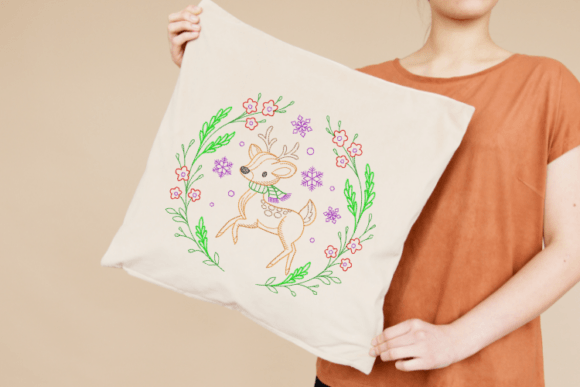
- Fabric pouch & pillow cover: Adds instant heirloom appeal. On textured linen or oatmeal twill, it reads as intentional craftsmanship—not decoration, but devotion made tactile.
- Caps & curved surfaces: Proceed with caution. Unless the file includes optimized underlay or reduced density for caps, expect minor distortion on the crown. Best reserved for flat-front panels or snapbacks with structured fronts.
What Makes It Sell—And What Requires Extra Care
The Jesus Embroidery Design earns trust fast. At a glance, it communicates sincerity—not trend-chasing. That builds immediate rapport with church groups, homeschool co-ops, senior ministries, and intergenerational shoppers. It also photographs exceptionally well for Etsy seller listings: clean lines, strong contrast potential, and natural depth from stitch layering.
But real-world production demands realism. Here’s what I flagged during testing:
- Dense stitch areas: If the file includes heavy satin borders or intricate halos, reduce density by 10–15% on textured towels or thick canvas—or risk stiff, raised sections that catch light oddly.
- Small details: Avoid shrinking below 2.75". Delicate hands or subtle facial features can blur on dark fabric or low-thread-count cotton.
- Thread colors: Opt for matte cotton or rayon—not high-sheen polyester—when stitching on kitchen linens or apparel. Sheen distracts from the reverence; softness supports it.
- Fabric texture matters: On terry cloth or looped towels, use cutaway + tear-away combo stabilizer. Skip lightweight tear-away alone—it won’t control shifting.
- Dark fabric warning: If stitching on navy, charcoal, or black, confirm thread contrast is built into the file—or manually adjust top thread (e.g., ecru over black reads warmer and more intentional than stark white).
Booth Impact & Buyer Engagement
In person, Jesus Embroidery Design performs like a quiet anchor in your display. It doesn’t compete with bright florals or playful quotes—it offers stillness. That contrast makes your booth feel curated, not cluttered. I’ve watched customers linger longest at samples where this design appeared on a simple linen tea towel beside a hand-poured candle and a ceramic mug. It invites touch, invites story-sharing, invites “Where did you get that?”
It also strengthens brand consistency for small shop owners. Whether you sell under “Grace & Grain,” “Hearth & Hymn,” or your own name, this design feels cohesive across product types—no jarring style shifts between aprons and patches. That builds recognition, repeat visits, and word-of-mouth referrals.
Practical Designer Notes Before You Stitch
This isn’t just about aesthetics—it’s about execution. Before cutting your first yard of fabric:
- Test the digital embroidery file on scrap fabric matching your final product’s weight and weave.
- Check thread contrast on both light and dark fabric swatches—not just your monitor.
- Review spacing: Does the design breathe? Is there enough margin around elements for clean hooping?
- Confirm hoop size compatibility—especially if using multi-position hoops for larger items like pillow covers.
- Inspect stitch density visually in your software. Look for overlapping fills or excessive jump stitches that could snag.
- Use the right stabilizer: Cutaway for knits and stretchy fabrics; medium-weight tear-away for stable wovens; fusible + tear-away for tea towels.
- Create at least one real mockup—not just a printable mockup. See how light hits the threads, how the fabric drapes, how the design feels in hand.
- Compare fabric colors side-by-side: Oatmeal vs. natural linen vs. unbleached cotton all change how warmth and clarity read.
- Confirm commercial licensing before selling finished products—especially if listing on Etsy or supplying boutiques. Not all embroidery files include blanket rights for resale.
Final Thought: Meaning Meets Marketability
The Jesus Embroidery Design succeeds because it respects both faith and function. It doesn’t shout. It doesn’t shrink. It simply belongs—in a handmade gift, on a market bag, stitched beside a handwritten note at checkout. For craft fair product sellers and small shop product makers, that kind of quiet resonance is rare. It converts browsers into buyers, buyers into believers—not in doctrine, but in your care, your craft, and your consistency.
When your booth tells a story, let Jesus Embroidery Design be the sentence people remember.