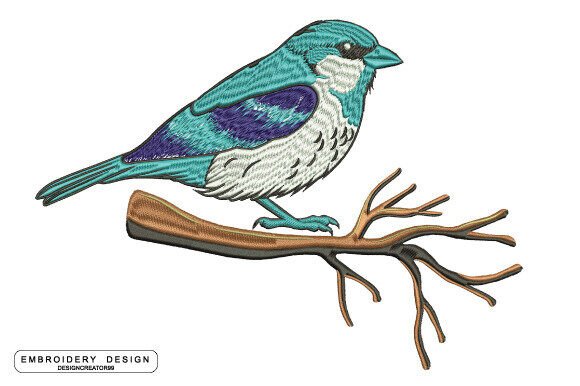
Bird Embroidery Design
Why This Design Fits Real Small-Business Product Planning
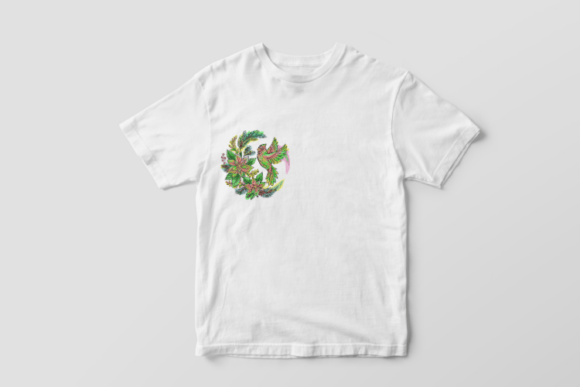
As an embroidery seller who’s launched over 200 Etsy listings—and shipped thousands of embroidered tote bags, baby blankets, and kitchen towels—I approach every new Creative Fabrica embroidery download like a product developer, not just a stitcher. When I saw Bird Embroidery Design, my first thought wasn’t “pretty bird”—it was “what can I *sell* with this?” The description—“Add this lovely bird embroidery to pillows, towels, apparel, or home decor, for a colorful look”—immediately signaled versatility. That’s gold for small shops: one digital embroidery file that supports multiple product categories without needing seasonal repositioning.
A Visual Personality That Sells
This isn’t a hyper-realistic ornithological study or a cartoonish mascot—it reads as lovely: soft curves, balanced negative space, and implied movement in the wings. That makes Bird Embroidery Design feel both timeless and quietly modern. It leans feminine without being saccharine, playful without sacrificing polish. I’d confidently use it on boutique aprons for a local café, personalized baby blankets for new parents, or embroidered patches for teen craft kits. It doesn’t scream “spring collection” or “Christmas gift”—which means it’s evergreen inventory, not limited-time stock.
Where It Shines in Your Product Line
- Etsy listings: Pair Bird Embroidery Design with neutral linen pillow covers or organic cotton sweatshirts—it photographs beautifully against natural textures and adds instant visual warmth.
- Craft fair items: Stitch it onto canvas tote bags or denim caps; the design holds detail at 4–5 inches wide, making it legible from a booth distance.
- Personalized gifts: Add monogrammed initials beside the bird on baby onesies or kitchen towels—the composition leaves clean space for customization without crowding.
- Boutique merchandise: Use it as a subtle logo alternative on branded aprons or shop-branded tea towels—elegant enough for high-end retail but warm enough for handmade appeal.
- Small batch apparel: Works cleanly on crewneck sweatshirts and relaxed-fit tees. Avoid tight knits unless you test stabilizer layers first.
Commercial & Creative Workflow Notes
Before adding Bird Embroidery Design to your active product lineup, treat it like any physical supplier sample: test it. Run a stitch-out on your most common fabric (e.g., medium-weight cotton twill for tote bags or terry cloth for towels). Note how the design behaves with your go-to stabilizer—does it pucker? Does the top thread nest cleanly? Check stitch density visually: if it looks overly dense under magnification, it may sink into plush fabrics like fleece or require extra topping. Conversely, if it’s too light, it may lack impact on dark apparel.
Photograph your test piece on real fabric—not just a mockup. Lighting matters: natural window light reveals texture and thread sheen better than studio lights for Etsy thumbnails. Zoom in on your listing preview—does the bird remain recognizable at 150px width? If details blur or legs/wings vanish, consider offering it in two sizes (standard + simplified) or pairing it with a coordinating border.
Review hoop size requirements. Even if the file fits a 4x4 hoop, confirm whether the design clears your machine’s frame clearance—some birds with extended wings or tails push edge limits. And always double-check Creative Fabrica’s licensing terms before selling finished goods. While many embroidery files allow commercial use, restrictions sometimes apply to resale as standalone digital files or mass production—verify before printing labels or ordering bulk packaging.
Supporting Your Brand Beyond the Stitch
Bird Embroidery Design strengthens your brand story in ways beyond aesthetics. Its gentle charm makes products feel more giftable—think baby shower towels or “just because” embroidered patches. Its clean lines make product photography easier: no busy background needed, no styling overcompensation. That saves time during photo shoots and improves conversion rates, since shoppers instantly grasp the item’s handmade quality.
It also supports scalable content creation. Use it in printable mockups for Instagram carousels or Pinterest pins—show the same bird stitched on a sweatshirt, a pillow cover, and a tea towel to demonstrate range. For social media previews, overlay subtle text like “Hand-embroidered • Made in [Your City]” directly on the image—no need for complex graphics when the design itself carries quiet confidence.
Practical Next Steps for Sellers
- Download and inspect the file set: Confirm it includes the 9 formats listed—especially PES for Brother machines—and verify folder structure is clean (no nested zips or unclear naming).
- Compare thread color suggestions: Does the design include a suggested palette? If not, pull 3–4 harmonizing DMC or Isacord colors that work across light and dark fabrics.
- Create a mini product matrix: Sketch how Bird Embroidery Design would appear on 3–5 core items (e.g., towel + tote + baby blanket), noting placement, size, and fabric type.
- Run one full workflow: From file import → hooping → stitching → trimming → photographing → uploading to Etsy. Time each step—this reveals hidden bottlenecks before launch.
- Check thumbnail readability: Resize your final photo to 200px wide and ask: “Would I click this in a crowded search feed?” If the bird reads as a blob or silhouette only, adjust size or simplify presentation.
Final Thought: A Quiet Workhorse Design
Bird Embroidery Design won’t dominate trends—but that’s its strength. In a market flooded with loud, algorithm-chasing motifs, it offers consistency, adaptability, and quiet craftsmanship. It supports slow growth, repeat customers, and cohesive branding. For Etsy sellers building a sustainable craft business—not chasing viral moments—it’s exactly the kind of reliable, well-proportioned, commercially flexible Creative Fabrica embroidery that earns steady sales, positive reviews, and genuine customer connection. Just remember: test, photograph, verify license, and let the bird do the talking.