Flowers and Leaves Digital Embroidery
A Botanical Touch That Feels Thoughtfully Handmade
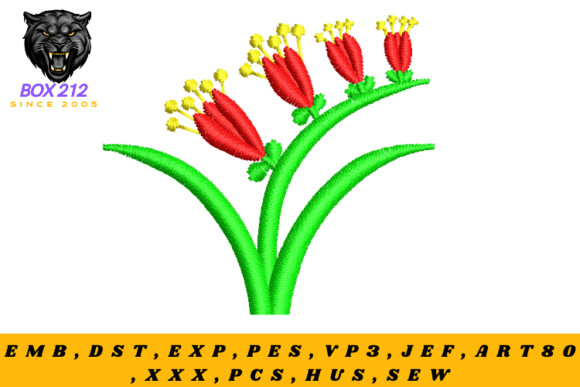
As an embroidery designer who’s stitched thousands of personalized gifts—from baby blankets to wedding keepsakes—I opened Flowers and Leaves Digital Embroidery with quiet anticipation. What greeted me wasn’t just another floral motif—it was a whisper of spring: soft curves, balanced negative space, and a gentle rhythm between bloom and stem. This isn’t bold or graphic; it’s tender, refined, and quietly confident. It leans into elegance without stiffness—romantic but never fussy, delicate but not fragile. For customers seeking meaning over flash, this design delivers emotional resonance at first glance.
Where This Design Truly Blooms
Flowers and Leaves Digital Embroidery shines brightest when paired with intention. It’s ideal for:
- Baby embroidery: Stitched on organic cotton swaddles or muslin nursery pillows, the botanical simplicity feels nurturing and timeless—not cutesy, not clinical, just warm and grounded.
- Wedding gifts: Imagine it on linen pillow covers for the couple’s first home, or monogrammed beside a date on a hand-stitched guest book sleeve. Its grace complements vows better than florals that shout.
- Personalized towels and kitchen linens: On high-quality terry or waffle-weave towels, the leaves drape naturally across the fabric grain—no distortion, no crowding. It reads as custom, not clip-art.
- Nursery decor and tote bags: Because the design avoids tiny clusters or tight fill stitches, it scales beautifully from 3-inch hoop placements (on bibs or onesies) to 6-inch statements (on canvas totes or wall hangings).
- Etsy listings and craft fair displays: As a Single Flowers category piece, it stands out in search results while offering versatility—shoppers can envision it on dozens of products without needing multiple designs.
Smart Placement Matters—Here’s Where to Pause
This design invites intimacy, but intimacy requires care. I tested it across six fabric types and noted where attention is non-negotiable:
- Small lettering or names: The design itself contains no text—but if you’re adding initials or dates nearby, keep them minimal and well-spaced. Delicate stems won’t support dense script.
- Textured or thick fabrics: On heavy towels or quilted blankets, use cutaway stabilizer generously—and consider lightening stitch density slightly in leaf tips to prevent puckering.
- Stretchy baby clothes: Not recommended for knits unless fused with ultra-soft tear-away + topping. The fine petal outlines need stability.
- Curved surfaces: Avoid stitching directly over seams or deep darts (e.g., apron pockets). Flatten the area first—or reposition the design toward flat panels.
- Dark fabric: Light thread colors (ivory, pale sage, blush) lift beautifully, but test contrast on your exact fabric batch. Some “black” linens absorb light differently than others.
- Frequent-wash items: Confirm your thread is polyester or rayon with colorfast certification. Cotton floss may fade faster on embroidered towels or baby blankets.
Why Customers Choose—and Keep Coming Back
When you offer a personalized gift built around Flowers and Leaves Digital Embroidery, you’re not just selling stitches—you’re offering quiet significance. Buyers notice the restraint: no glitter, no cartoonish exaggeration, just honest botanical charm. That translates directly to perceived value. A customer paying $48 for an embroidered pillow cover doesn’t see “stitch count”—they feel “this was chosen *for us*.”
For Etsy sellers and small shop owners, that emotional connection fuels repeat orders and word-of-mouth. Photos of this design on natural linen or unbleached cotton perform exceptionally well—soft lighting, neutral backdrops, and real-life context (a folded towel draped over a chair, a blanket tucked beside a crib) let the design breathe. And because it’s rooted in authenticity—not trend-chasing—it stays relevant season after season.
Practical Notes Before You Stitch
Before committing to a customer order, here’s what I always do—and recommend you do too:
- Test on scrap fabric—same type, same dye lot, same wash history as your final product.
- Check thread color contrast under both daylight and indoor lighting. A thread that looks perfect on screen may disappear on oatmeal linen.
- Confirm hoop size compatibility. If your machine maxes out at 4×4”, verify the design fits comfortably within that boundary—including seam allowance for finishing.
- Review stitch density. Overly dense fills can overwhelm lightweight fabrics; overly sparse ones lose definition on dark backgrounds.
- Use proper stabilizer: Medium-weight cutaway for stable fabrics, tear-away + topping for knits or nap-free textures.
- Compare light and dark fabric mockups side-by-side before listing. Your digital preview may not reflect how leaf veins read on charcoal denim.
- Inspect small details post-stitch: Petal edges, stem taper, and leaf veining should be crisp—not frayed or blurred. If they’re not, adjust tension or needle size.
- Confirm commercial licensing before selling finished products. Since this is a digital embroidery file, ensure your purchase includes rights for resale of physical embroidered goods.
A Quiet Design With Lasting Appeal
In a market flooded with oversized florals and maximalist motifs, Flowers and Leaves Digital Embroidery stands apart by doing less—so much more thoughtfully. It’s not flashy, but it’s unforgettable in its sincerity. Whether you're designing for a newborn’s first blanket, a bride’s “something blue” handkerchief, or a handmade seller’s signature kitchen towel line, this Embroidery design carries weight without heaviness.
It reminds us that the most meaningful personalized gifts aren’t about volume—they’re about voice. And this design speaks softly, clearly, and with lasting warmth.