Kitchen Tools Split Embroidery
First Impression: Friendly, Functional, and Instantly Relatable
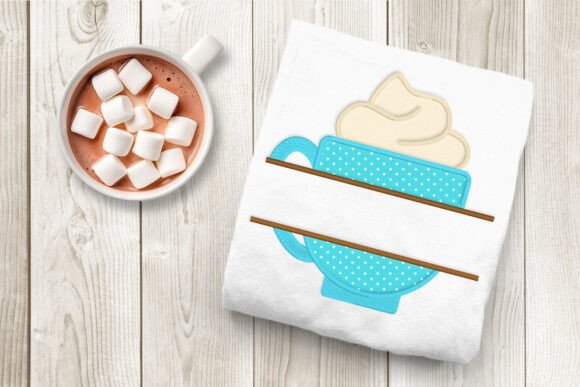
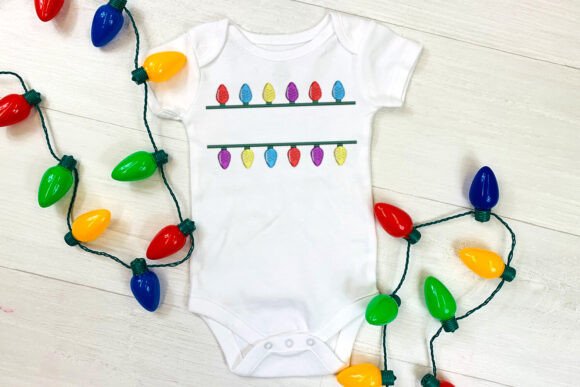
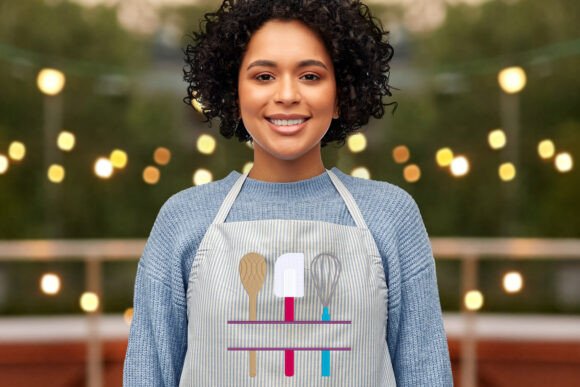
As an embroidery designer who’s prepped over 200 craft fair booths, I can tell you Kitchen Tools Split Embroidery lands with quiet confidence—not flashy, not fussy, but deeply human. It reads as warm, approachable, and authentically kitchen-centric: part farmhouse charm, part modern baker’s studio. The whisk, rubber spatula, and wooden spoon aren’t cartoonish or overly stylized—they’re recognizable tools, drawn with clean lines and balanced weight. That central split? It’s the secret weapon. It invites personalization without demanding it, making Kitchen Tools Split Embroidery feel both ready-to-sell and customizable—a rare win for small shop product strategy.
Where It Shines: Craft Fair & Handmade Market Realities
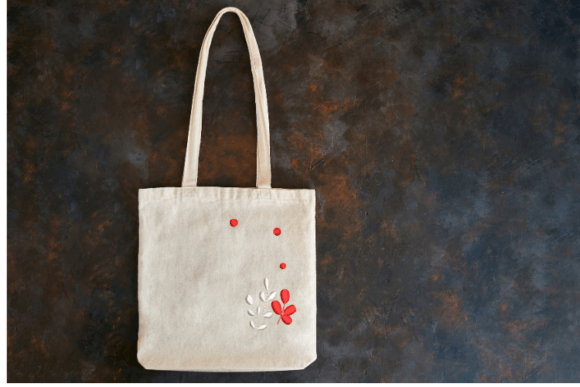
In a crowded booth full of embroidered tea towels and aprons, Kitchen Tools Split Embroidery stands out because it tells a story *before* the customer reads the tag. On a natural linen tote bag? Crisp, grounded, and effortlessly stylish. On a denim apron pocket? It adds just enough detail to spark conversation—“Oh, that’s my whisk!” On a flour-sack tea towel? It holds up beautifully against texture, especially when stitched with medium-density thread colors that pop against off-white or oatmeal fabric.
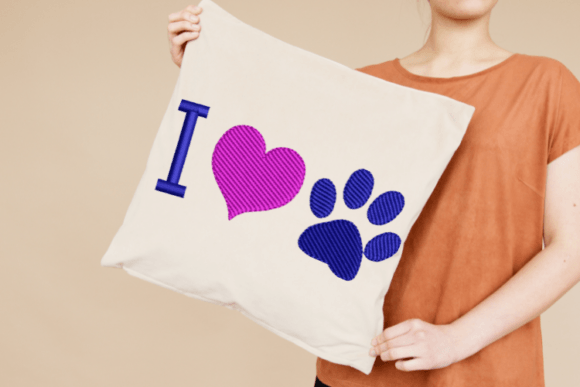
It’s also unusually versatile across scale. At 3.5 inches wide, it works cleanly as an embroidered patch or cap front. At 5 inches, it becomes a confident focal point on pillow covers or market bags. And because the central split is generous—not cramped—it accommodates legible custom text (think “Bake Early, Nap Often” or “Team Whisk”) without crowding the tools. That flexibility makes Kitchen Tools Split Embroidery a smart investment for Etsy sellers juggling multiple listings: one embroidery file, six strong product applications.
Photography & Online Appeal: Why It Converts
This design photographs exceptionally well—even on phone cameras. Its open layout avoids visual clutter, and the three distinct tools create natural points of interest for the eye. Unlike dense floral motifs or tightly packed lettering, Kitchen Tools Split Embroidery retains clarity in thumbnail size, which matters for Etsy search results and Instagram carousels. Pair it with a clean printable mockup (wooden spoon angled slightly, whisk catching light), and you’ve got scroll-stopping authenticity—not stock perfection, but handmade warmth.
For digital embroidery file sellers, that visual reliability translates directly to trust. Buyers know exactly what they’re getting: no surprises, no pixelated edges, no guesswork about spacing. That predictability encourages repeat purchases—and repeat use across product lines.
Production Practicality: Batch-Friendly, But Not Foolproof
Yes, Kitchen Tools Split Embroidery is built for batch production—but only if you respect its nuances. The wooden spoon handle and whisk wires are fine details. On thick canvas or heavily textured towels, stitch density matters. Too many overlapping satin stitches in the spoon’s grain or whisk tines can cause puckering or thread breakage. Always test the embroidery file on scrap fabric matching your final product’s weight and weave.
Hoop size is another quiet factor. With 8 formats and 5 sizes listed, confirm your machine’s max hoop capacity before scaling up. A 5-inch version may require a 6x10 hoop—fine for commercial embroidery, but tight for home machines. And stabilizer choice? Medium-weight cutaway works best for structured items like tote bags; tear-away is sufficient for lighter tea towels—if your thread contrast is strong.
Careful-Use Notes Every Designer Should Flag
- Dense areas: The whisk head and spoon bowl carry higher stitch density—watch for shadowing on dark fabric.
- Small lettering: The split zone supports custom text, but avoid fonts narrower than 6 pt at 3-inch width—legibility fades fast on curved surfaces like caps.
- Textured fabrics: On looped terry or heavy burlap, reduce top tension slightly and consider a water-soluble topper to smooth stitch lay.
- Curved surfaces: Caps and pouches demand precise hooping. Test-fit the design placement before stitching—especially since tool proportions shift subtly on rounded fabric.
- Scale sensitivity: Below 2.75 inches, the spatula’s rubber edge and spoon’s grain soften. Reserve smaller sizes for patches or labels—not primary branding.
Booth Impact & Buyer Engagement: More Than Just a Design
In person, Kitchen Tools Split Embroidery performs like a quiet ambassador. It doesn’t shout—but it draws people in with familiarity and intention. I’ve watched customers pause mid-aisle to trace the whisk with their finger, then flip a tote bag to read the custom line stitched inside the split. That moment of tactile connection? That’s where handmade quality becomes unforgettable.
It also strengthens brand consistency across your offerings. Use the same thread palette (cream, charcoal, terracotta) on aprons, tea towels, and pouches, and suddenly your booth reads as curated—not scattered. For boutique makers building a cohesive kitchen line, this embroidery file isn’t just decoration—it’s a unifying design asset.
Final Designer Checklist Before You Stitch
- Test the embroidery file on scrap fabric matching your final product’s weight, texture, and color.
- Verify thread contrast—especially on dark or heathered fabrics—using actual spools, not screen previews.
- Review spacing between tools and the split zone: ensure there’s breathing room for your intended text length.
- Confirm hoop size compatibility for your target dimensions—don’t assume “5 sizes” includes your machine’s sweet spot.
- Inspect stitch density in high-detail zones (whisk wires, spoon grain) and adjust underlay if needed.
- Choose stabilizer based on fabric behavior—not just recommendations: cutaway for stretch, tear-away for stable weaves.
- Create at least one real-world mockup (not just digital): photograph it in natural light, on a shelf, draped over a stool.
- Compare thread colors across multiple fabric bases—dye lots vary, and cream on oatmeal isn’t the same as cream on ivory.
- Confirm commercial licensing terms before selling finished products—this is non-negotiable for Etsy sellers and craft fair vendors.
Bottom line: Kitchen Tools Split Embroidery isn’t just another machine embroidery design. It’s a thoughtful, sales-aware tool for creative entrepreneurs who understand that the best craft fair products don’t just look handmade—they *feel* intentional, useful, and quietly joyful. Stitch it right, and it won’t just sell. It’ll start conversations, earn repeat customers, and become the quiet anchor of your kitchen-themed lineup.