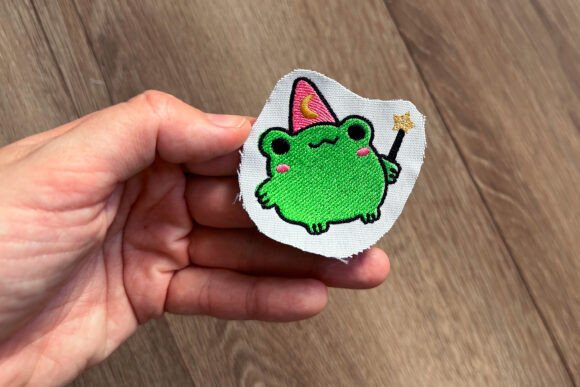
Wizard Frog Machine Embroidery Design
A Playful, Market-Ready Design That Stops Shoppers in Their Tracks
As someone who’s stitched over 300 craft fair booths—and curated embroidery collections for Etsy shops and boutique makers—I’ll tell you straight: Wizard Frog Machine Embroidery Design lands with instant charm. It’s not overly rustic or aggressively modern—it’s cute with character, softly whimsical, and quietly confident. That “playful spirit of nature” described in the listing isn’t marketing fluff; it translates directly to booth appeal. At a glance, customers read it as friendly, handmade, and giftable—not generic or clip-art-y. That’s gold for baby animals-themed collections and small shop products targeting parents, teachers, garden lovers, and nostalgic gift-givers.
Where This Design Truly Shines on Craft Fair Products
Not every machine embroidery design earns its place across your full product lineup—and this one earns its spotlight selectively. Here’s where Wizard Frog Machine Embroidery Design delivers real sales traction:
- Tote bag design: Centered on a natural canvas or oat-colored cotton tote, it reads clearly from six feet away—soft but bold enough to invite closer inspection.
- Apron embroidery: Positioned just above the pocket on a denim or linen apron, it adds personality without overwhelming utility. Perfect for kitchen boutiques and cooking class gifts.
- Tea towel embroidery: Works beautifully on medium-weight flour-sack towels—especially when paired with simple border stitching. The frog’s rounded shape holds up well against fabric texture and frequent washing.
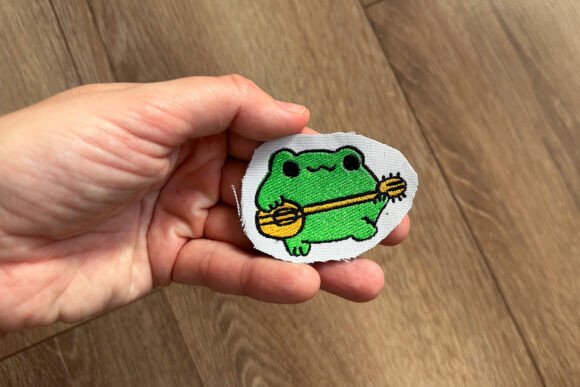
- Embroidered patch: Clean lines and moderate detail make it ideal for iron-on or sew-on patches. Great for kids’ backpacks, denim jackets, or as a low-risk impulse buy at your booth.
- Fabric pouches & pillow covers: Scales gracefully to 3–4 inches wide—ideal for small accessories that sell fast at craft fairs. Its compact silhouette avoids distortion on curved seams or corners.
It’s less effective on curved cap surfaces (too much visual compression), dense terrycloth towels (stitch definition blurs), or ultra-dark fabrics unless paired with high-contrast thread colors. And while it photographs well for Etsy listings, avoid shrinking it below 2.5 inches—it loses legibility in digital thumbnails.
Production Realities: What You Need to Know Before Batch-Stitching
This isn’t a “set-and-forget” embroidery file. As a working designer, I always ask: Will this hold up under real-world production pressure? Here’s my assessment of Wizard Frog Machine Embroidery Design:
- Stitch density matters: If the design includes layered shading or fine frog details (like tiny eyes or textured lily pads), test stitch density on scrap fabric first. Overly dense areas can pucker thin cotton or overwhelm lightweight stabilizer.
- Hoop size & placement: Confirm the required hoop size before cutting dozens of fabric pieces. A 4x4 hoop is ideal for most applications—but if the design pushes 5x7, repositioning becomes trickier on smaller items like pouches or tea towels.
- Fabric texture is your co-designer: On terry cloth, linen slubs, or burlap blends, subtle frog features may soften. Use tear-away stabilizer for smooth fabrics; cut-away for stretchy or unstable weaves.
- Thread colors make or break perception: Emerald greens, sky blues, and creamy off-whites elevate handmade quality instantly. Avoid flat black outlines on dark fabric—they vanish. Instead, opt for tonal contrast or metallic accents for premium feel.
Why This Design Strengthens Your Booth—and Your Brand
In a sea of floral motifs and scripted quotes, Wizard Frog Machine Embroidery Design stands out because it tells a micro-story: gentle magic, quiet wonder, nature’s humor. That narrative resonates across demographics—from grandparents buying baby shower gifts to teens selecting embroidered patches for their backpacks. It supports brand consistency without locking you into a single aesthetic: pair it with earthy neutrals for farmhouse appeal, or bright pops of color for playful modern energy.
On your craft fair table, it performs double duty: as a focal point on a featured tote bag *and* as a subtle accent on coordinating tea towels or pillow covers. That cohesion builds perceived value—even if each item is priced separately. Customers subconsciously register your booth as intentional, curated, and professionally designed—not just “cute stuff.”
Essential Designer Notes Before You Stitch Your First Batch
Before loading your machine or listing on Etsy, run these checks—every time:
- Test the Wizard Frog Machine Embroidery Design on scrap fabric matching your final product (e.g., unbleached cotton for tea towels, twill for aprons).
- Compare thread colors across three lighting conditions: daylight, booth LED, and phone flash—what looks vibrant in studio light may mute online.
- Review spacing between frog elements and outer edges—tight margins cause trimming errors during finishing.
- Inspect the embroidery file for nested elements or overlapping stitches that could cause thread breaks mid-run.
- Create at least one physical mockup—not just a printable mockup—to assess how the design interacts with drape, seam lines, and wear points.
- Confirm commercial licensing terms before selling finished products. Even if labeled “for personal use,” many Baby Animals-themed embroidery files require an upgrade for small business resale.
Remember: the best craft fair product isn’t just technically flawless—it feels joyful to hold, easy to love, and unmistakably handmade. Wizard Frog Machine Embroidery Design delivers that feeling when executed with intention. It’s not flashy—but it’s memorable. Not complicated—but it invites attention. Not trendy—but it sells, season after season.
For Etsy sellers, boutique makers, and embroidery business owners building a signature line: this is the kind of digital embroidery file that earns repeat customers, photo tags, and word-of-mouth buzz—not because it shouts, but because it smiles kindly from a tea towel, winks from a child’s cap, and charms its way into handmade hearts.